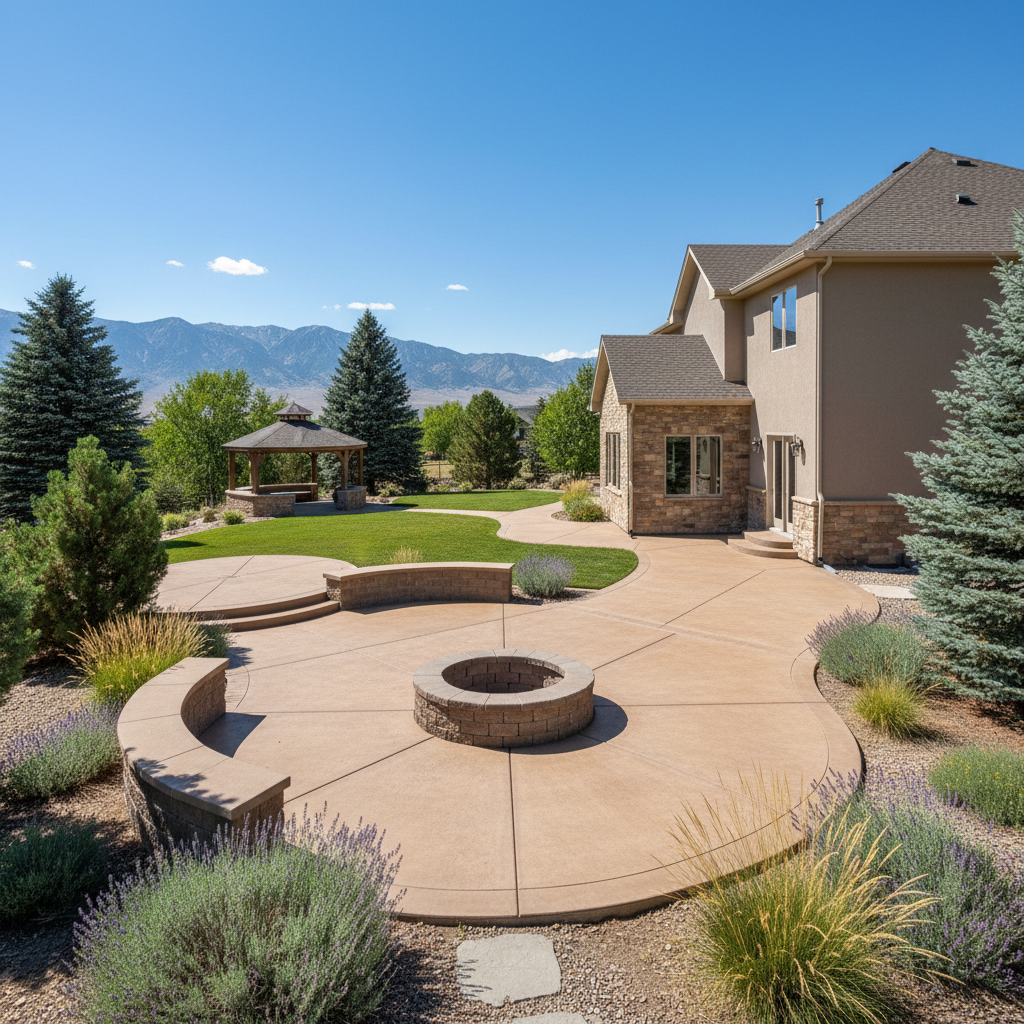
Finally ready to get that concrete patio you've been dreaming about for your Provo home? Awesome! A well-built patio can totally change how you use your outdoor space. Think summer BBQs, a quiet spot for morning coffee, or just a place for the kids to play. But hold on a minute – before you jump in, you need a plan. This isn't like buying a new grill, you know? It's a pretty big investment, and you definitely want it done right. Let's talk about what that looks like.
Setting Your Project Timeline
So, how long does this whole thing actually take? That's usually the first question I get. The truth is, it's not just about the day we pour the concrete. You're looking at a multi-stage process here. It's smart to figure on a few weeks, maybe even a couple of months, from your initial idea to the finished product. That's especially true if you're doing this during peak season.
- Initial Research & Quotes (2-4 weeks): You'll want to get a few bids. Don't just go with the first person who answers the phone, please. Talk to a few contractors, check their references, and look at their past work. This is where you figure out who you trust.
- Permits (2-6 weeks, if needed): Depending on your patio's size and where it sits, you might need a permit from Provo City. This isn't always the case for a simple ground-level patio. But if you're doing something big, attached to the house, or with significant digging, it's worth checking. Your contractor should know the local rules, but ultimately, it's your responsibility as the homeowner.
- Scheduling (1-4 weeks): Once you've picked a contractor and permits are sorted, you'll get on their schedule. Good contractors are busy people, so don't expect them to start tomorrow.
- Construction (3-7 days): This is the actual work: digging, forming, pouring, and finishing. Weather plays a huge role here, especially with our unpredictable spring and fall in Utah Valley. We can't pour in the rain, and the concrete needs specific temperatures to cure correctly.
- Curing (7-28 days): After the pour, the concrete needs time to get strong. You can usually walk on it within 24-48 hours. But don't put heavy furniture on it or drive on it for at least a week. It won't reach its full strength for about a month. Patience is really key here.
What to Expect During the Process
When Kingdom Concrete Contractors Provo shows up, or any reputable crew for that matter, here's what you'll see happen:
- Site Preparation: First, we'll mark out the patio area. Then comes the digging. We'll dig down to the right depth, usually 4-6 inches for a patio, and make sure the base is solid and graded properly for drainage. We might bring in gravel or road base to create a stable foundation. This step is crucial; a bad base means a bad patio down the road.
- Forming: We'll set up forms, usually wood or metal, around the edge of your patio. These hold the concrete in place until it sets. We'll also make sure the forms are level and sloped correctly so water drains away from your house, not towards it.
- Rebar or Mesh: Depending on the size and what you plan to use it for, we'll lay down rebar (steel reinforcing bars) or wire mesh. This isn't for strength *against* cracking, but it helps hold the concrete together *if* it cracks, keeping those cracks tight and less noticeable.
- Pouring & Finishing: The concrete truck arrives, and we get to work. We'll pour the concrete, spread it, and then use various tools to get that smooth, broom, or decorative finish you chose. This is where the crew's skill really shines. It's a fast-paced job that takes experience to get right.
- Curing & Sealing: Once the concrete is poured and finished, we'll put on a curing compound. This helps the concrete keep its moisture, which is essential for it to get strong. After it's cured, usually a few weeks later, we'll recommend sealing it to protect it from stains and the elements.
How to Prepare Your Home and Yard
You've got a role to play, too! A little preparation on your end makes everything go smoother:
- Clear the Area: Move any outdoor furniture, planters, toys, or anything else from the patio area and a good buffer zone around it. We need clear access.
- Mark Sprinklers/Utilities: If you have underground sprinkler lines, low-voltage lighting wires, or other buried utilities near the patio site, mark them clearly. We definitely don't want to accidentally cut them.
- Plan for Access: We'll need a clear path for wheelbarrows, equipment, and possibly even a concrete truck or pump if your yard is hard to reach. Think about gate access and protecting your lawn if heavy equipment needs to cross it.
- Protect Nearby Areas: Cover any nearby plants, walls, or windows with tarps if you're worried about concrete splatter. While we're careful, accidents can happen.
- Communicate: If you have any specific concerns or questions about your property, talk to your contractor beforehand. Don't wait until the crew is there.
Questions to Ask Before You Sign That Contract
This is where you protect yourself and make sure you're getting a quality job. Don't be shy about asking these:
- Are you licensed and insured? This is non-negotiable. Ask for proof. You want to make sure they're legitimate and that you're protected if something goes wrong.
- Can I see examples of your previous work, and can you provide references? Look at their patios, especially ones that are a few years old. Talk to past clients.
- What's included in the quote? Does it cover digging, forms, concrete, rebar/mesh, finishing, curing, and cleanup? Are there any hidden fees? Is sealing included, or is that extra?
- What kind of base do you use, and how thick will the concrete be? For a patio, you generally want at least 4 inches of concrete over a well-compacted base.
- What's your plan for drainage? This is huge, especially with our heavy snowmelt and spring rains here in Provo. Water needs to go somewhere, and it shouldn't be towards your foundation.
- What's your warranty on the work? A good contractor stands behind their work.
- How do you handle unexpected issues? Sometimes we hit old tree roots, buried pipes, or rock that wasn't expected. How will that impact the timeline and cost?
- What's the payment schedule? Reputable contractors usually ask for a deposit, then progress payments, and a final payment upon completion and your satisfaction. Be wary of anyone asking for 100% upfront.
By asking these questions and understanding the process, you'll be much better prepared for your new concrete patio. It's a big project, but with the right planning and the right contractor, you'll end up with a beautiful, durable outdoor space you'll enjoy for years to come.