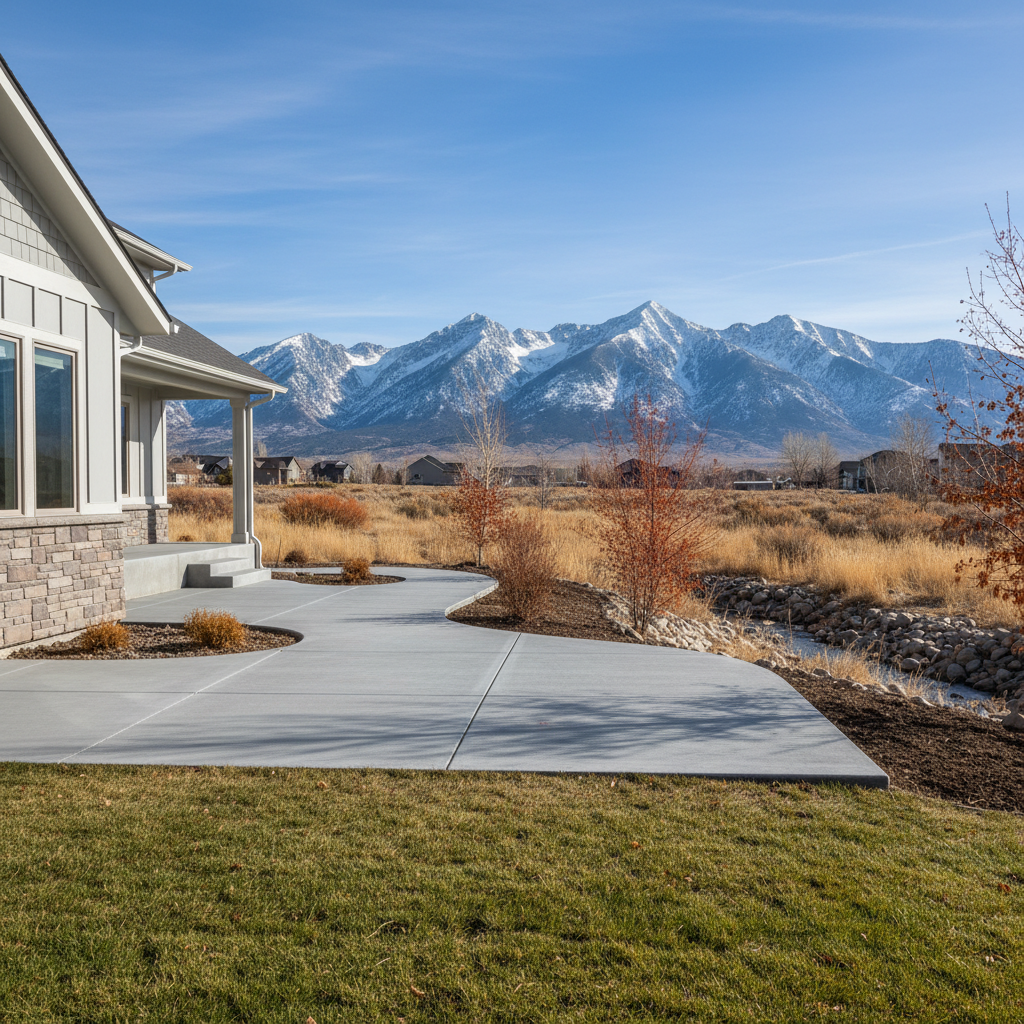
Timing Your Concrete Project in Provo: It's All About the Weather
So, you're dreaming of a new patio, maybe a fresh driveway, or even a solid foundation for that shed you've been meaning to build. Fantastic! But before we jump in, let's chat about timing. Here in Provo, our weather isn't always concrete's best friend, and getting the pour just right makes a huge difference. I mean, it affects how long your concrete lasts and, frankly, how good it looks. I've seen too many folks rush things at the wrong moment, only to deal with headaches down the road.
So, when's the sweet spot for concrete work around here? I usually tell people to aim for spring, late summer, or early fall. We're really looking for steady temperatures, ideally somewhere between 40°F and 90°F (that's about 4°C to 32°C). Why that specific range, you ask? Well, if it's too cold, the water in the mix can freeze before the concrete properly cures, and that just leads to weakness and cracks. On the flip side, if it's too hot, the water evaporates way too fast. This causes quick drying, shrinkage cracks, and a weaker surface overall. Our scorching July and August days, especially with that dry desert air, can be pretty tough on fresh concrete if you're not careful. We *can* still pour then, sure, but it means taking extra steps like misting and using special curing compounds. Sometimes, honestly, it's just not worth the added risk.
Spring (April-May) often hits that ideal mark. The ground has finally thawed, temperatures are usually mild, and we often get some nice, gentle moisture. Early fall (September-October) is another prime time. The intense summer heat has typically backed off, and we haven't yet started dealing with those freezing winter nights. Winter itself? Forget about it for new pours, unless it's an absolute emergency. Even then, we'd be using special cold-weather mixes and heated enclosures, which really bumps up the cost.
Weather Conditions That Can Mess Up a Pour
Beyond just temperature, there are a few other weather factors we keep a close eye on:
- Rain: A light drizzle during a pour isn't ideal, but we can usually manage. A downpour, though? That's a definite no-go. Too much water dilutes the mix, weakens the concrete, and can even wash away the surface finish. If heavy rain is in the forecast, we'll reschedule, simple as that.
- Wind: Our canyon winds can be quite tricky. Strong winds, especially on hot days, can speed up surface drying. This can lead to plastic shrinkage cracks before we even get a chance to finish the surface. If it's windy, we might need to put up windbreaks or use special curing agents.
- Extreme Humidity: Whether it's too low (like our dry summers) or too high (which is rare, but can slow down curing), humidity affects the concrete. We always adjust our mix and finishing techniques based on what the air is doing.
We're always checking the forecast, often multiple times, before and during a job. It's just part of making sure your concrete has the best possible chance to set up strong.
Protecting Your Concrete Investment Year-Round in Provo
Okay, so your beautiful new concrete is in place. Now what? How do you keep it looking good and lasting for decades, especially with our freeze-thaw cycles and the occasional snow? This is where putting in a little effort really pays off.
- Curing is Key: Right after we pour, proper curing is absolutely critical. We'll use curing compounds or keep it wet for several days. This allows the concrete to gain its maximum strength. Seriously, don't let anyone tell you to skip this step.
- Seal It Up: This is probably the single most important thing you can do. I recommend sealing your concrete within a month or two of installation, and then every 2-3 years after that. A good quality penetrating sealer protects against water absorption, salt damage (from those de-icers), oil stains, and just general wear and tear. Think of it like sunscreen for your concrete. For homeowners in areas like Edgemont or Grandview North, where you might have steeper driveways and use more de-icing salts in winter, sealing isn't just a good idea; it's practically mandatory.
- Be Smart with De-icers: Try to avoid rock salt (sodium chloride) if you can. It's harsh and can damage concrete over time. Calcium chloride or magnesium chloride are better options, but even those should be used sparingly. Sand is always a safe bet for traction, you know?
- Clean Regularly: Just sweep off dirt and debris. You can power wash gently once a year to remove grime, but be careful not to hold the nozzle too close or use too high a pressure. That can actually etch the surface.
- Watch for Cracks: Small hairline cracks are normal in concrete; it's a natural material, after all. But if you see larger, expanding cracks, or areas that are spalling (flaking), get them looked at. Sometimes they can be repaired before they become a much bigger problem.
Your concrete is a pretty big investment in your home. By understanding the best times to pour and taking a few simple steps to protect it, you'll ensure it stands strong and looks great for years to come. If you've got questions about your concrete project or need some advice on maintenance, please don't hesitate to give us a shout at Kingdom Concrete Contractors Provo. We're always happy to help our neighbors.